Best Fitness Trackers 2026: Your Complete Buying Guide
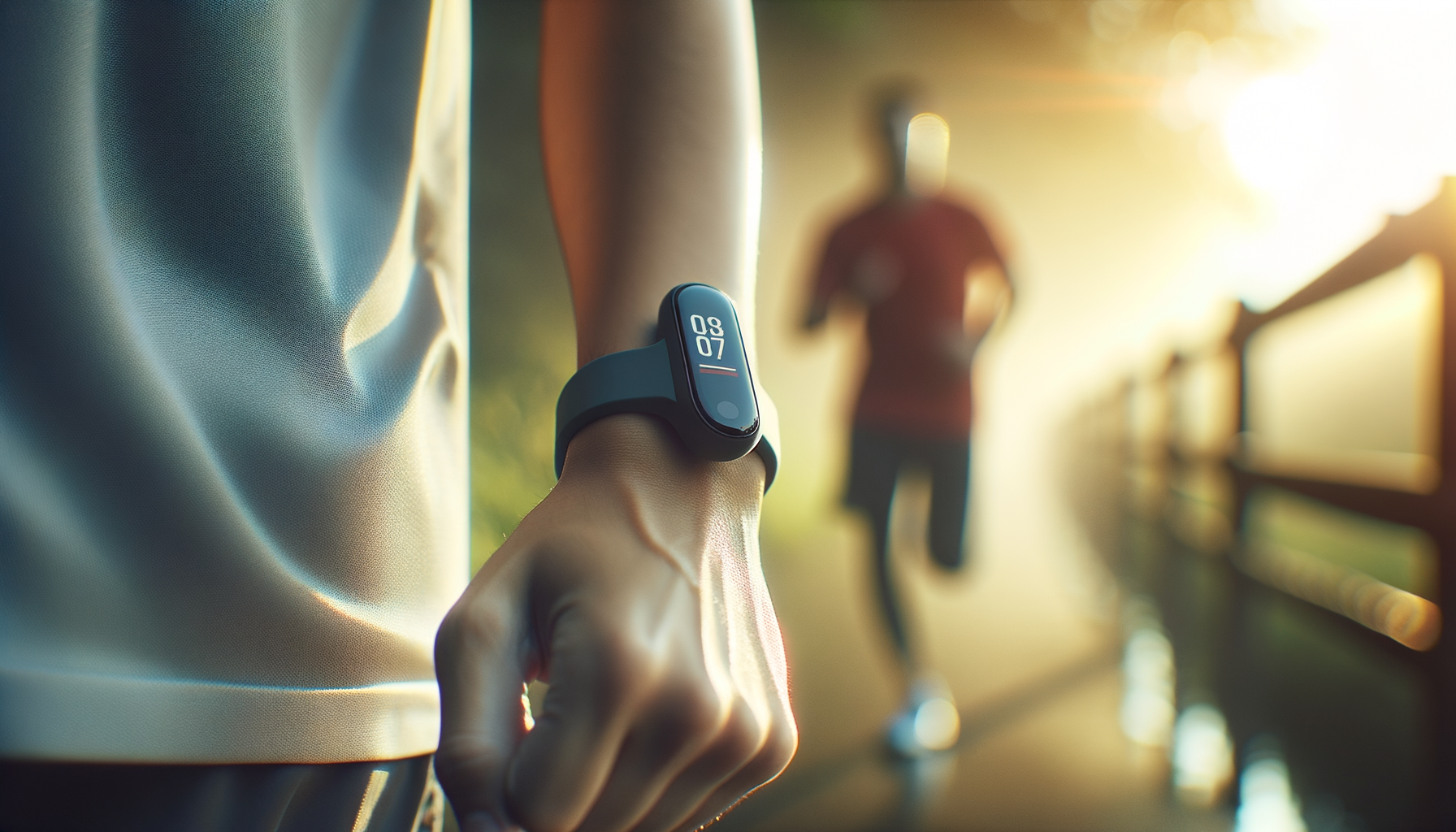
Fitness trackers in 2026 aren't the simple step counters they once were. Today's devices pack ECG sensors, blood oxygen monitoring, stress tracking, and AI coaching into something you wear on your wrist. The question isn't whether to get one—it's which one matches how you actually live.
What's Changed in 2026
The biggest shift? AI-powered coaching. Modern trackers don't just record your data—they interpret it. They'll tell you when you're overtraining, suggest recovery days, and adjust your goals based on your sleep quality the night before.
Battery life has also taken a leap. Seven days is now standard, with some models pushing past two weeks. Fast charging means 15 minutes gets you through the day.
Features That Actually Matter
Skip the spec sheet comparison. Focus on these:
Health monitoring depth — Basic heart rate is everywhere. Look for continuous SpO2, stress detection, and sleep staging. If you're serious about training, HRV (heart rate variability) tracking helps optimise recovery.
Multisport recognition — Automatic workout detection has improved dramatically. The best trackers identify swimming, cycling, HIIT, and yoga without you touching a button.
App ecosystem — Your tracker is only as good as its software. Check that it syncs with your preferred health apps and doesn't lock your data in a walled garden.
Comfort for 24/7 wear — If it's not comfortable enough to sleep in, you'll miss half the data. Weight, band material, and clasp design matter more than you'd think.
How to Choose
Start with your primary goal:
- General fitness: Mid-range tracker with good app, 7+ day battery
- Serious training: Advanced metrics, HRV, multisport GPS
- Health monitoring: Medical-grade sensors, ECG, irregular rhythm alerts
- Sleep optimisation: Detailed sleep staging, smart alarm features
Don't overspend on features you won't use. A £150 tracker used daily beats a £400 one collecting dust.
The Bottom Line
2026's fitness trackers are genuine health companions. They've moved beyond vanity metrics into actionable insights. Pick one that fits your routine, wear it consistently, and let the data guide better decisions.
The best tracker is the one you'll actually wear.
Curated by Zendra