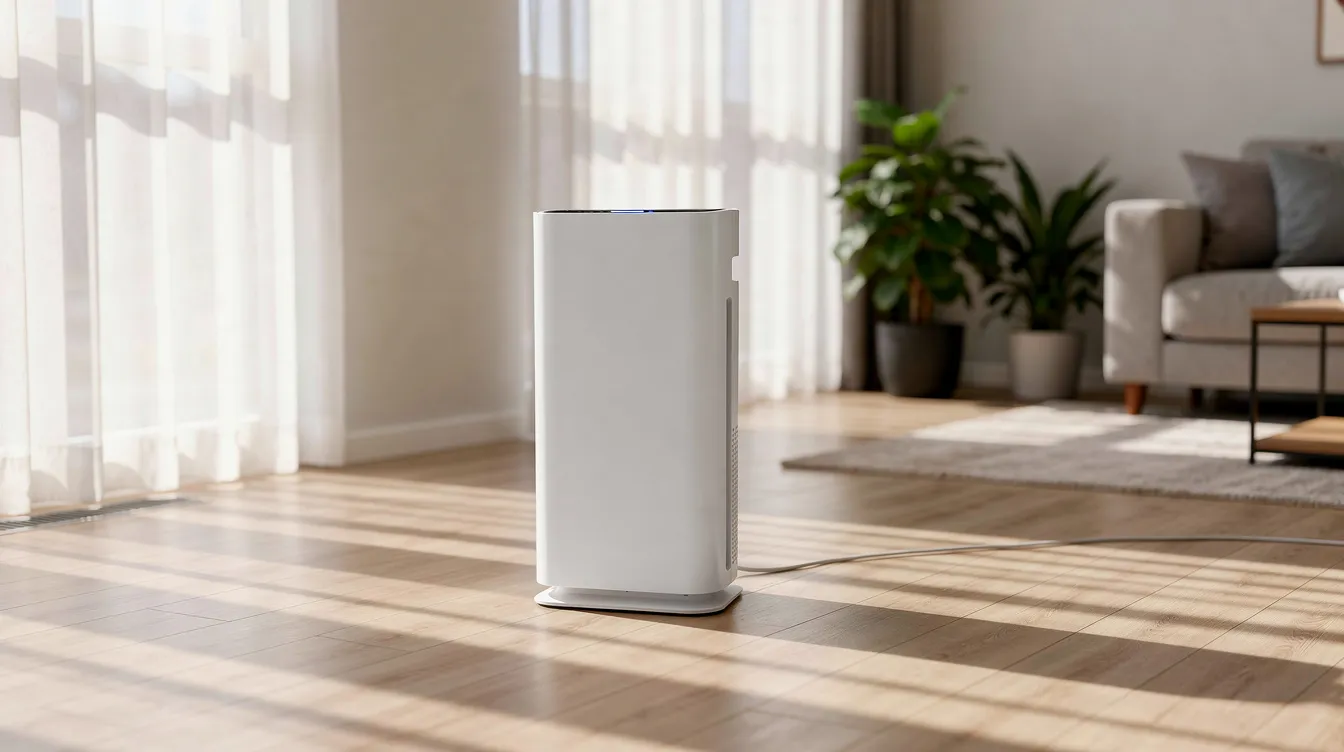
Best Budget Smart Home Devices 2026: Start Simple, Build Smart
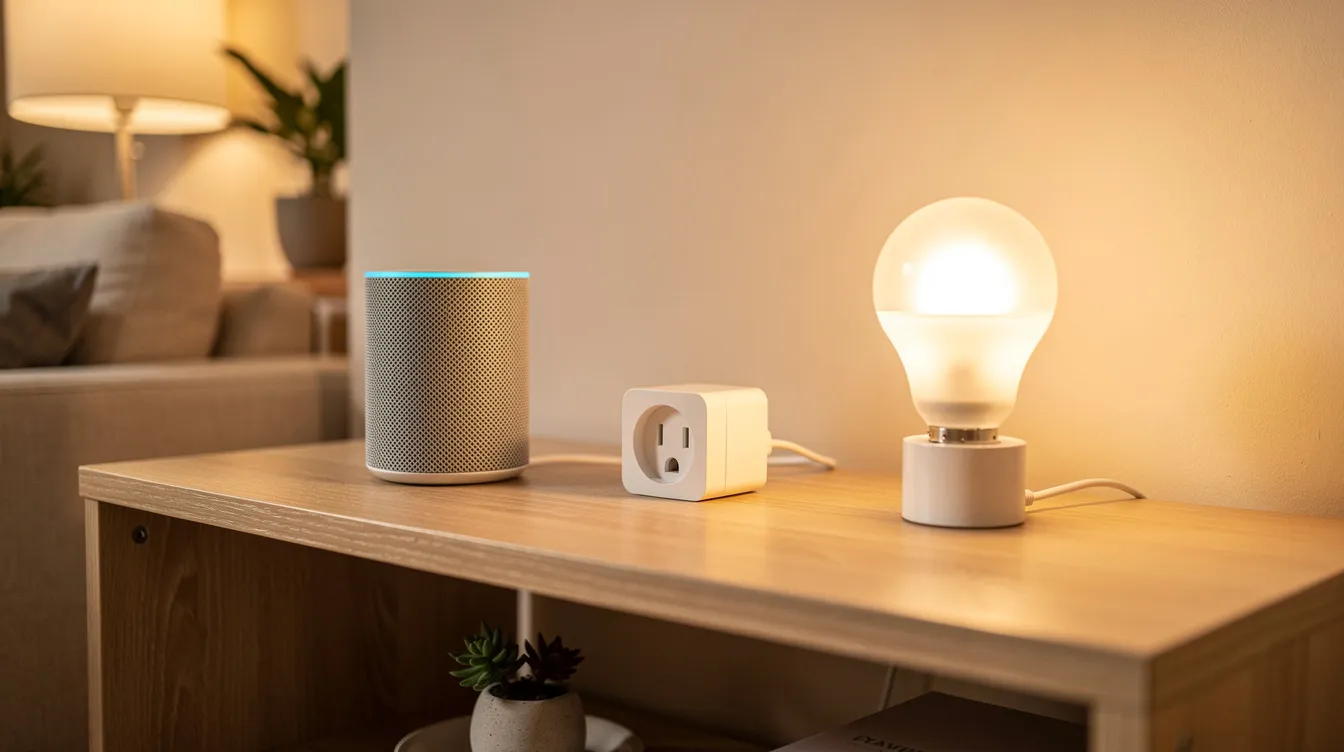
Smart home devices used to mean expensive hubs, complicated setup, and ecosystem lock-in. In 2026, you can start with a £7 smart plug and build from there. No hub required. Voice control optional.
The Entry Points
Smart plugs are where most people start — and for good reason. Under £10 gets you a plug that turns any lamp or appliance into something you can control from your phone or with voice commands.
iHome Smart Plug (£7) — Basic, reliable, works with Alexa and Google. No frills, just works.
Feit Electric Smart Plug with Night Light (£7) — Same price, adds a soft nightlight. Useful for hallways.
GE Cync Indoor Smart Plug (£7) — Another solid option with good app support.
Lighting That Makes Sense
Smart bulbs have matured past the novelty phase. The value proposition: automate your lights based on time, sunrise/sunset, or presence. No more leaving lights on when you're out.
Govee 800lm RGBWW Smart LED Bulb 4-Pack (£14) — Four colour-changing bulbs for under £15. Good enough for most rooms.
Philips Hue Essential Starter Kit (£72) — The premium option. Better colour accuracy, more reliable, but requires the Hue hub. Worth it if you're going all-in on lighting.
TP-Link Tapo Smart Light Switch (£14) — Replaces your wall switch rather than the bulb. One switch controls multiple bulbs, and guests don't need an app.
Beyond Plugs and Bulbs
Amazon Echo Dot (£9) — Voice control for everything. At this price, it's almost disposable. Put one in each room.
Google Nest Smart Thermostat (£22) — Learning thermostat at a fraction of what Nest used to cost. Pays for itself in energy savings.
Amazon Echo Hub (£134) — The control centre if you're serious. 8-inch touchscreen that manages everything. Overkill for starters, but excellent once you've got 10+ devices.
How to Start
Week 1: Buy two smart plugs. Put one on a lamp, one on something you always forget to turn off. Get used to the app.
Week 2: Add a smart bulb to your bedroom. Set it to dim automatically at 9pm and brighten at 7am. Notice how much better you sleep.
Month 2: Add a smart speaker. Voice control changes everything — especially when your hands are full.
When ready: Consider a thermostat. The energy savings justify the cost within a year.
What to Avoid
- Hub-dependent devices (unless you're committed to that ecosystem)
- Cheap bulbs with terrible apps (read reviews)
- Devices that require cloud accounts for basic functions (what happens when the company shuts down?)
The Bottom Line
Smart home tech in 2026 is genuinely useful, not just novelty. Start with a £7 plug, see if you like the convenience, and expand from there. No need to plan a whole-house system upfront.
The best smart home is the one you actually use.
For detailed product comparisons, see Lensavi's smart home device breakdown.
Curated by Zendra